Does Coconut Oil in Soap Clog Pores? The Honest Answer
Coconut oil scores 4/5 on the comedogenic scale — and it's still in almost every good soap bar. Here's why both facts are true, and what saponification actually does to it.
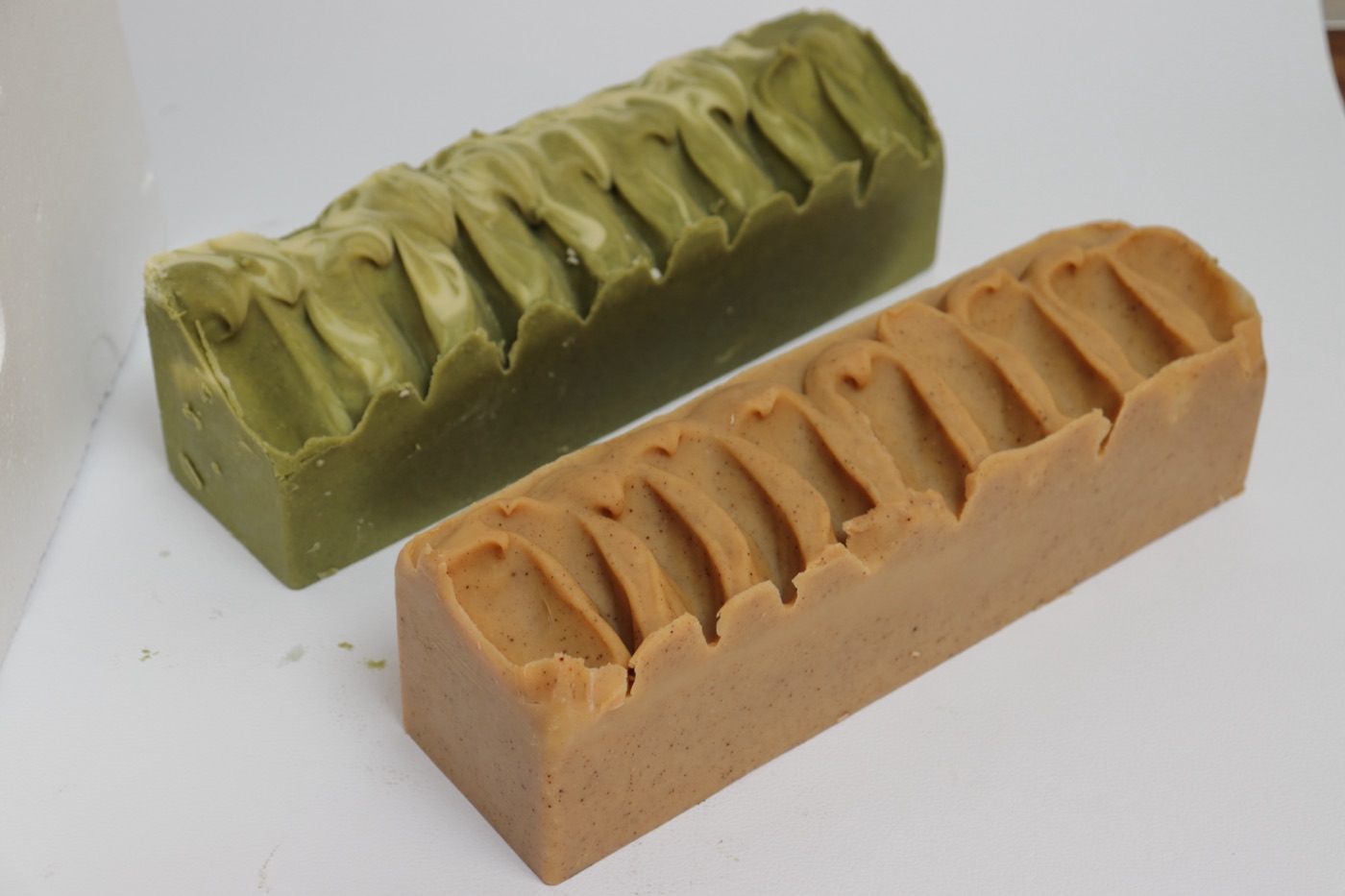
Coconut oil has two reputations, and they can't both fit in the same jar. In one corner: the internet's favorite do-everything oil. In the other: "comedogenic rating 4 out of 5 — keep it away from your face." Here's the fun part: both reputations are earned. And neither one tells you what happens when coconut oil meets a soap pot. Since that pot is literally our job, let's clear this up.
The bubble engine of every good bar
Coconut oil shows up in almost every handmade soap on earth for one simple reason: it's what makes soap feel like soap. It's rich in lauric acid, a short-chain fatty acid that turns into fast, generous, big-bubbled lather the moment it touches water — even hard water, which flattens most other lathers. It also genuinely cleans: soap made from coconut oil is excellent at grabbing oil and grime so the rinse can carry them away. And it hardens the bar, which is why a well-made soap lasts for weeks in the shower instead of dissolving into sad jelly by Tuesday.
Yes — raw coconut oil can clog pores
We're not going to dodge this. On the comedogenic scale, raw coconut oil scores about 4 out of 5, which is high. Its lauric and myristic acids can form semi-solid plugs inside pores when the oil sits on skin as a leave-on product. To be fully honest: those ratings come from older lab models and the human evidence is more mixed, but dermatologists still generally tell acne-prone people not to use pure coconut oil as a face moisturizer. So if someone warned you about coconut oil on your face, the warning has a real basis — for the raw oil, left on the skin.
But soap isn't oil anymore
Here's the part the scary posts skip. Saponification — the reaction between oils and lye — doesn't mix coconut oil into soap. It transforms it into a completely different material: sodium cocoate. Sodium cocoate is water-soluble and built to rinse off. A comedogenic rating describes an oil that lingers on your skin for hours; sodium cocoate spends about thirty seconds on you, grabs the day's grime, and leaves with the water. There's no oil film left behind to plug anything. Bonus of doing it the slow way: cold-process soap keeps all the glycerine that forms during the reaction — a humectant that pulls moisture toward the skin, and one that industrial makers usually extract and sell separately. Ours stays in the bar, where it belongs.
"In proportion" is the whole craft
Could you make a 100% coconut oil soap? Sure — and it would clean so aggressively your skin would squeak. That's why proportion is everything: enough coconut oil for bubbles, hardness, and honest cleansing, balanced with soft, conditioning oils. It's why the gentlest bar we make, Olive Melt, leans hard on olive oil, while a deeper-cleaning bar like Charcoal Melt suits skin on the oilier side. And one more piece of honesty: all true soap is alkaline — that's what makes it soap, ours included. We'll never print "pH-balanced" on a bar, because that phrase and real soap don't belong in the same sentence. What we do instead is keep the glycerine in and leave extra unsaponified oils in the recipe, so the bar cleans without shouting. We nerd out about this regularly in the journal if you want more.
Questions people ask
I'm acne-prone — should I avoid coconut oil soap?
The clogging concern is about leave-on coconut oil, not rinse-off soap. In a bar, the oil has already become sodium cocoate, which washes away completely. People with oily skin often actually enjoy a coconut-and-clay combination like Nila Melt, which cleans thoroughly and rinses clean. That said, for anything persistent on your skin, a dermatologist is the right address — soap is soap, not treatment.
Is coconut oil soap drying or moisturizing?
Neither, by itself — it depends on the recipe around it. A bar overloaded with coconut oil can feel tight and squeaky; a balanced one cleans and lets the glycerine pull moisture back toward your skin. If your skin runs dry or gets bothered easily, something creamy like Rice Melt is built exactly for that feeling.
So no — the coconut oil in your soap isn't plotting against your pores. It became something better. Meet the proof in Cucumber Melt.