What Does Honey Actually Do for Your Skin?
Honey is the oldest skincare ingredient on record — but what does it actually do? A humectant explainer, 3,500 years of history, and an honest look at the evidence.
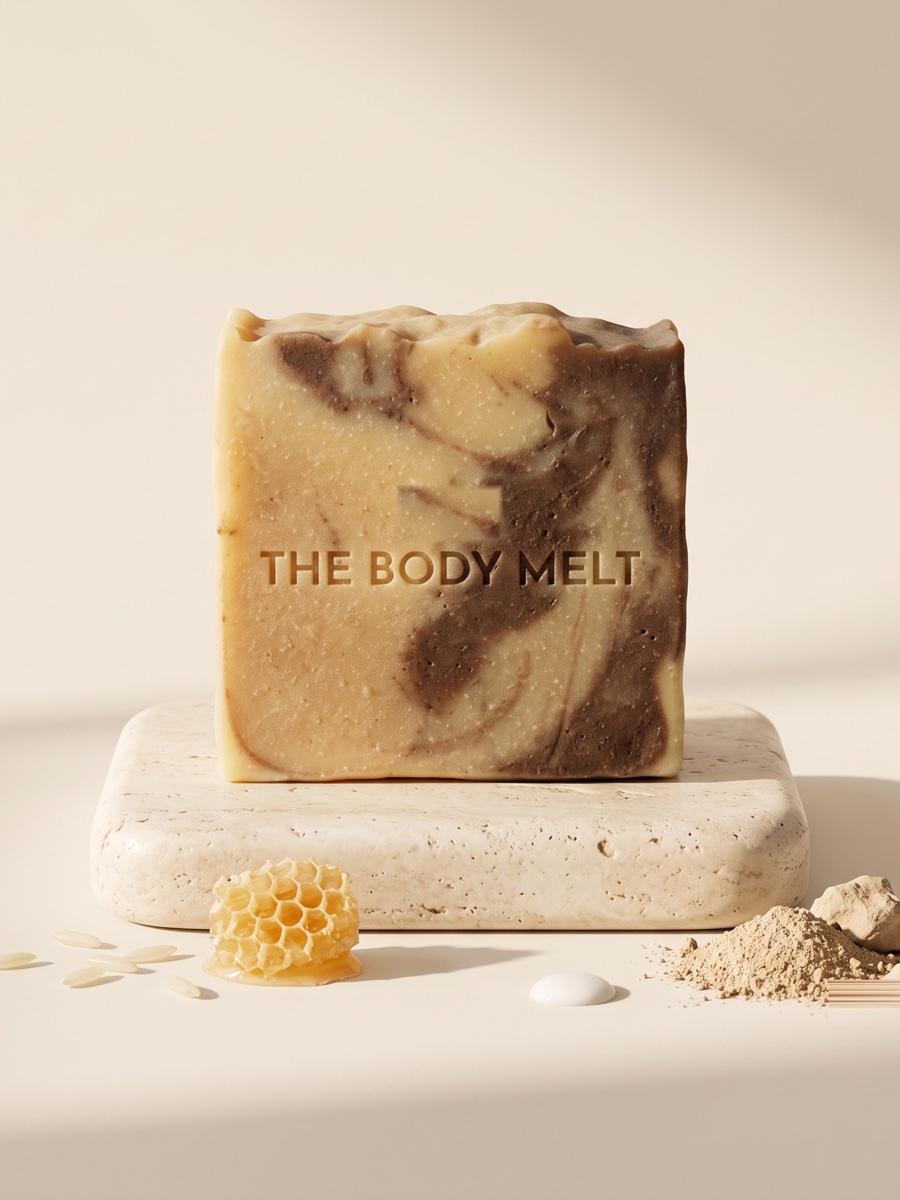
If you grew up around honey — a spoonful in tea, a jar your grandmother swore by — you already know it's more than a sweetener. Honey in skincare isn't a new trend; it might be the oldest one on record. But somewhere between the "liquid gold miracle" posts and the actual research, there's a gap. So here's the honest version: what honey really does for skin, what's tradition, what's proven, and what it's doing inside a bar of soap.
What "humectant" actually means
Honey is roughly 80% sugars — mostly fructose and glucose — dissolved in very little water. Sugars grab onto water molecules and hold tight. That's what cosmetic chemists call a humectant: an ingredient that pulls moisture toward the skin instead of letting it drift off. Glycerine is the most famous member of the family; honey is the sweetest. The official dictionary of cosmetic ingredients (INCI) files honey under humectant, emollient, and skin-conditioning. Beyond the sugars, it carries small amounts of amino acids, minerals, enzymes, and antioxidants. Small amounts — honey is a talented supporting actor, not a wizard.
A 3,500-year-old résumé
The Ebers Papyrus, written around 1550 BCE a little way up the Nile from our kitchen, includes honey in roughly five hundred of its prescriptions — ointments for dry skin, dressings, salves. The ancient Egyptians knew nothing about osmosis; they simply noticed that skin did better with honey on it, and they wrote it down. We love that we get to make Rice Melt in Cairo, a short drive from where those pages were written.
What the evidence honestly says
Let's be straight. The strongest science on honey lives in wound care — hospitals use sterilized, medical-grade honey, and researchers credit its high sugar concentration and natural acidity. That's medicine, done by doctors, with a very specific kind of honey. It's not a claim we get to print on a soap label, and we won't pretend otherwise. For everyday cosmetic use, the evidence is thinner but friendly: a small placebo-controlled study found topical honey measurably improved skin hydration over four weeks, and a 2026 systematic review concluded honey shows genuine promise as a moisturizing ingredient while calling for larger trials. As for honey "clearing" breakouts — a randomized trial of medical-grade kanuka honey found no clear benefit over a plain cleanser. So: hydration, yes, with modest evidence behind it. The miracle posts? The hype runs ahead of the data. And if something on your skin is persistent, a dermatologist beats any jar of anything.
What honey does inside a soap bar
We'll say it plainly: honey in a wash-off bar can't moisturize the way a leave-on cream does — the contact time is short. What it does inside cold-process soap is real, though. The sugars feed the lather, giving a denser, creamier foam. They leave a faint warm sweetness that survives the six-week cure. And they help the bar feel softer and kinder on the way out. Meanwhile, the method does the heavy lifting: cold-process soap keeps every drop of its natural glycerine — the humectant workhorse — which industrial soap factories extract and sell separately. Honey plus retained glycerine is why Rice Melt rinses off leaving skin comfortable instead of tight. If your skin runs dry or gets bothered easily, it's the first bar we'd put in your hand — with Olive Melt, our gentlest recipe, a close second.
Questions people ask
Does honey soap suit oily skin? It does — honey itself isn't oily, and the sugars rinse away completely. If your skin runs oily and you're after a more purifying feel, reach for Charcoal Melt or the clay-rich Nila Melt, and save the honey bar for days your skin feels tired and wants a little comforting.
Is a raw honey mask better than honey soap? Different jobs. A mask sits on the skin for twenty minutes, so the humectant effect gets real time to work — plenty of people love it, and the ancient Egyptians would approve. A soap bar is your quick daily cleanse that doesn't strip. Nothing stops you from doing both — and if you enjoy ingredient deep-dives like this one, there's more in our journal.
Sweet, honest, and about 3,500 years in the making — say hello to Rice Melt.