Is Milk Good for Your Skin? What It Does — and What It Honestly Doesn't
Cleopatra's milk bath is a great story — the chemistry is even better. What milk proteins and fats really do for skin, and the honest truth about lactic acid in soap.
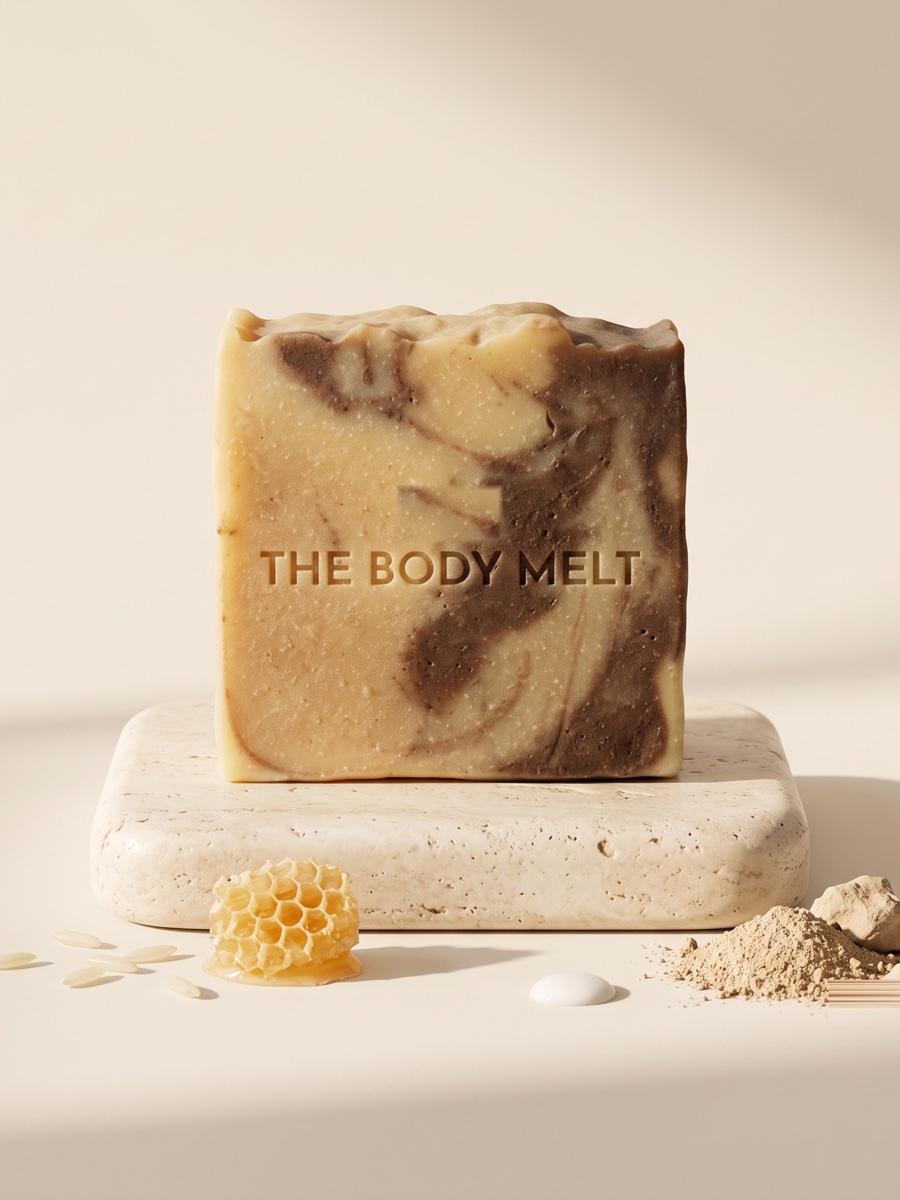
Somewhere between history and Hollywood, there's a queen in a bathtub full of donkey milk. The story stuck for two thousand years — and it's half the reason people still ask us whether milk is good for skin. So let's do this properly: what's legend, what's chemistry, and what actually happens when we pour milk into a batch of cold-process soap in our Cairo studio.
The Cleopatra story (fun, but hold the milk)
The legend says Cleopatra bathed in soured donkey milk to keep her skin soft. Historians haven't found solid ancient evidence for it — the tale mostly comes from later Roman gossip, and the image we all carry was cemented by 1930s Hollywood. The chemistry behind the story is real, though: when milk sours, its sugar turns into lactic acid, the same alpha hydroxy acid used in modern exfoliating products. Whether a bathtub of milk ever held enough of it to matter? Honestly, the story travels better than the evidence does.
What milk genuinely gives skin
Two things, and they're good ones. First, milk proteins — casein and whey — which cosmetic-dermatology research describes as film-formers that help skin hold onto moisture and feel smoother and softer. Second, milk fat: a rich, cushiony emollient that softens the feel of skin the same way any good fat does — by settling into the surface and rounding off the rough edges. That soft, plush feeling milk lotions have? That's the proteins and fats doing their quiet work.
Lactic acid: the honest part
Lactic acid itself is well studied. Research shows it supports skin's hydration and its own moisturizing lipids — at the concentrations used in dedicated leave-on products, typically 5–12%. Fresh milk contains only a small amount of it. And here's the part most soap marketing skips: soap chemistry changes it anyway.
What actually happens to milk inside a soap bar
Cold-process soap is made by mixing oils with lye — and lye is not gentle company. We freeze our milk before it meets the lye so the sugars don't scorch (that gentle caramel color our Rice Melt bar has? That's milk sugars toasting just a little, on purpose). In that alkaline environment, lactic acid reacts and becomes sodium lactate — a humectant that makes the bar smoother and harder, not an exfoliant. So we'll say it plainly: a milk soap does not exfoliate like an AHA product, and anyone telling you otherwise is selling the legend, not the bar. What milk truly gives soap: extra fats for a creamier, more conditioning lather, proteins for a silky slip, and sodium lactate for a smooth, long-lasting bar. The glycerine that forms naturally during cold process stays in there too — industrial makers extract it, we leave it for your skin. And yes, real soap is alkaline, ours included. We'll never call it pH-balanced, because true soap never is — and for something you rinse off, it doesn't need to be.
Who tends to love milk soap
People with dry or easily-annoyed skin usually fall hardest for the creamy lather — it cleans without that squeaky, stripped feeling. Rice Melt is our calmest bar, and if your skin is the truly delicate kind, Olive Melt is the gentlest one we make. One honest note: if you're dealing with a persistent skin condition, a dermatologist should be your first stop — soap comes after.
Questions people ask
Does milk soap exfoliate like lactic acid products? No — and we'd rather tell you that than let you expect a peel from a soap bar. The lactic acid becomes sodium lactate during saponification, which improves the bar's feel rather than exfoliating your skin. If it's real, texture-level exfoliation you're after, Mint Melt with its black seed does that job honestly.
Is milk soap good for oily skin? It can be — clean is clean — but some oily-skinned folks find the creamy richness more than they want. Many of them prefer Charcoal Melt, which cleans deeply without the plush feeling.
There's more where this came from in our journal — and if milk's quiet magic sounds like your kind of thing, start with Rice Melt.