Is Mint Good for Your Skin? The Truth About That Cool Tingle
Menthol tricks your skin's cold sensors into feeling cool — no ice involved. Here's the story behind that shower-time freshness, plus an honest word for sensitive skin.
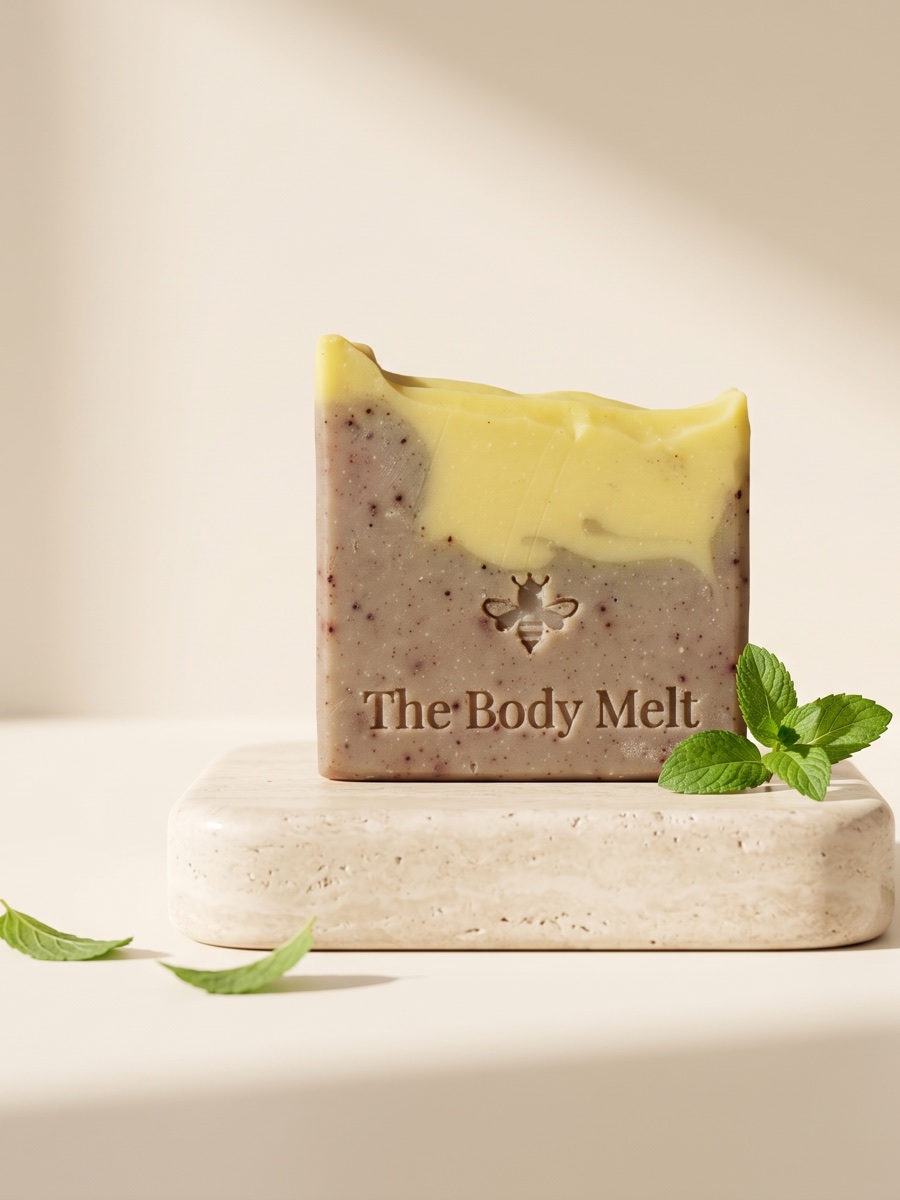
You know that jolt when cold water hits your face first thing in the morning? Mint pulls off the same trick — no ice, no cold water, just one clever little molecule that knows exactly which buttons your skin likes pressed.
How mint "cools" without cooling anything
Your skin is dotted with tiny sensors — scientists call the main one TRPM8 — whose whole job is noticing when things get cold. Menthol, the star molecule inside mint, happens to fit those sensors like a key in a lock. The moment it lands on your skin, they light up and send "it's cold here!" messages to your brain, even though your skin temperature hasn't dropped one bit. So that rush of freshness after a mint-soap shower is completely real as a feeling — it's just chemistry playing your nerves like piano keys, not an actual chill. Honestly, we think that makes it more charming, not less.
The wake-up effect
And the story doesn't stop at your skin. Scent researchers have been poking at peppermint for years — NASA even tested it on people woken from deep sleep, and driving-simulator studies found peppermint aroma left drivers more alert and less frustrated behind the wheel. We'll be straight with you: these are small studies, not miracle-level proof. But they all point the same direction your bathroom already knows — mint scent plus that cool tingle equals eyes actually open before the coffee kicks in. That's exactly why Mint Melt is the official morning bar of the house.
A tingle that steals the show
Cooling sensations are very good at grabbing your skin's attention — skin doctors have leaned on menthol's chill for ages to help skin feel comfortable. In a rinse-off bar, the contact is short and sweet: what you get is a pleasant momentary coolness, not a treatment. If something on your skin genuinely bothers you and keeps coming back, that's a conversation for a doctor, not a soap bar.
Sensitive skin: read this part twice
Honesty time, because we love you: mint is not for everyone. Peppermint essential oil is potent stuff. In large patch-test studies, a small slice of people — well under 1% — react to it, and at high concentrations the sensation can flip from refreshing to stingy. In our cold-process bars the essential oil is well diluted and rinsed off within a minute, which is far gentler than a leave-on cream. Still — if your skin is sensitive, freshly shaved, or just having a dramatic week, take it slow. Lather a little on your forearm first and see how it feels. And if your skin is the reactive type in general, our gentlest bars — Olive Melt or the creamy Rice Melt — might simply be the better match.
What mint does inside a cold-process bar
We fold peppermint essential oil into our oils and let saponification take its slow, cold-process time. That slow method means the natural glycerine stays right there in the bar (big factories usually pull it out to sell separately), so the bar cleans without that tight, squeaky-dry aftermath. The black seed add a gentle, scrubby polish — heels, elbows, knees, anywhere that appreciates a little friction. Curious how every batch gets made? Wander through the journal.
Questions people ask
Does mint soap actually lower my skin's temperature?
Nope — a thermometer on your skin wouldn't move. Menthol switches on the cold sensors, so your brain reads "cool" while the temperature stays exactly where it was. The sensation is 100% real; the chill is neurological, not refrigerated. In a Cairo summer, we call that a feature.
Is mint soap good for oily skin?
People with oily skin often love the clean, fresh finish mint leaves behind. To be clear, mint itself doesn't "pull out oil" — the soap does the cleaning; mint brings the sensory sparkle. If oily skin is your main storyline, peek at Charcoal Melt or the clay-rich Nila Melt too.
Ready to wake your skin up before your coffee does? Mint Melt is waiting.