Moroccan Nila (Blue Clay): What Does It Actually Do for Your Skin?
Moroccan nila went viral with big whitening promises. We put the real thing in a soap bar, so here's the honest story — hammam roots, clay science, and what the blue actually does.
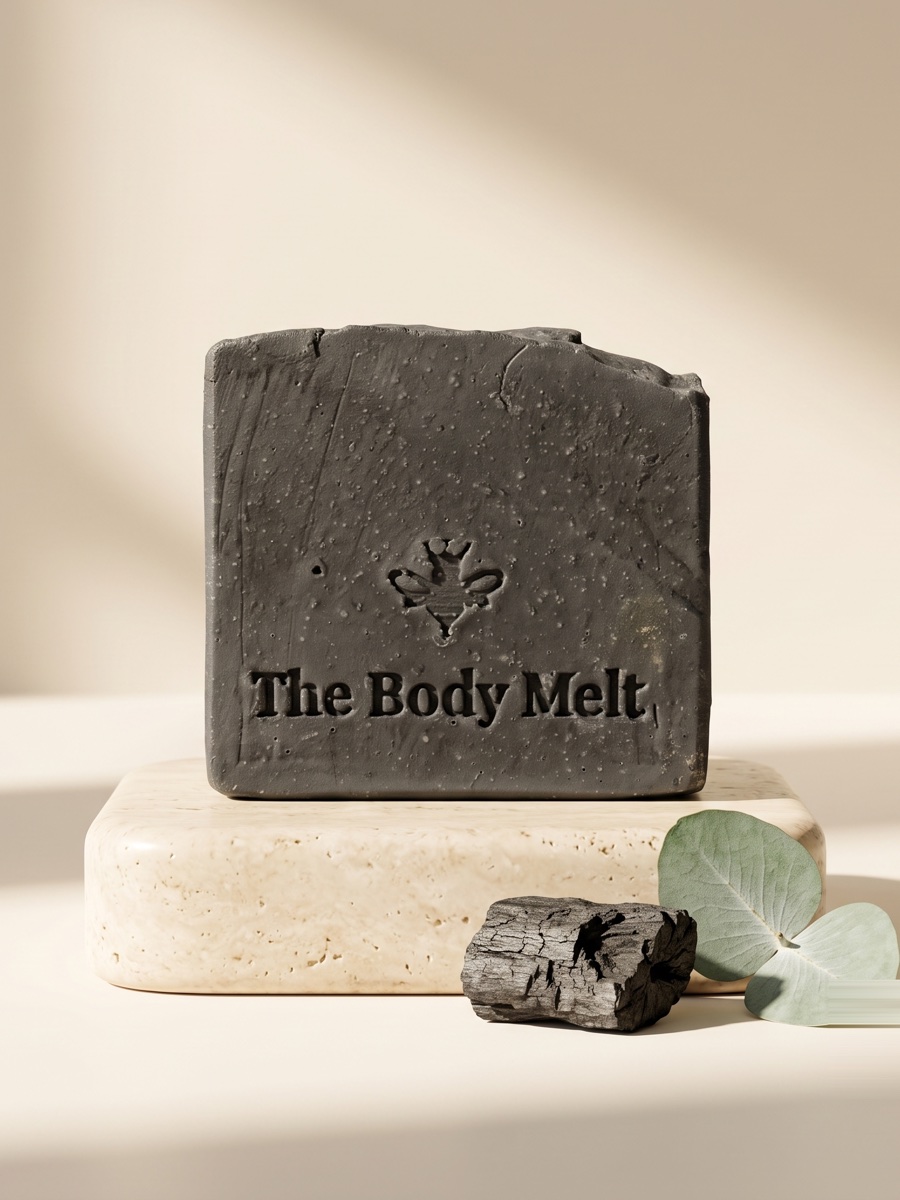
If you've spent five minutes on skincare TikTok lately, you've met the blue powder. Moroccan nila is everywhere — stirred into masks, dusted over creams, promising glass skin by Friday. We put real nila and clay into one of our cold-process bars, so we're fans. But we're also soapmakers who like sleeping at night, so here's the honest version: where nila comes from, what the clay genuinely does for oily skin, and which viral claims deserve a politely raised eyebrow.
Born in the hammam, not in an algorithm
Long before it trended, nila lived in the hammam. Across Morocco and the Sahara, women have passed the blue powder down for generations — mixed with ghassoul clay, rose water, or yogurt, smoothed on in the steam, rinsed off with buckets of warm water and good conversation. Amazigh brides were prepared with it before weddings. It was part scrub, part ritual, part blessing. The name itself comes from indigo — the same deep blue that has coloured fabric and beauty rituals across North Africa for centuries.
That context matters, because the hammam version was never a miracle in a jar. It was one step in a long routine: steam, a serious scrub with black soap and a kessa glove, then moisturiser. The glow came from the whole ritual — worth remembering when a 30-second video promises the same result from powder alone.
The part that actually works: clay and oily skin
Here's the satisfying bit of science. Clay doesn't soak up oil like a paper towel — it grabs it. Clay particles carry a slight electrical charge and a huge surface area; gram for gram, some clays unfold to the area of a few tennis courts. Excess sebum, sweat, and the day's grime cling to those charged surfaces, and when you rinse, they leave with the clay. Small clinical studies on clay masks have measured real drops in surface oil and smoother-feeling skin with regular use. Not magic — physics.
That's why we built Nila Melt as our clay bar for oily skin: the clay grabs the extra shine, the lather carries it away, and because cold-process soap keeps its natural glycerine, your face skips that tight, squeaky punishment feeling afterwards. Clean, matte, comfortable.
The viral claims, honestly
Now the eyebrow. The big promise attached to nila online is whitening — that it erases pigment and lightens your natural tone. We'll say it plainly: that claim has spread much further than the evidence behind it. Dermatology reviews of the trend find no solid proof that nila reduces melanin or permanently brightens anything. What people usually see is clean, freshly scrubbed skin — lovely, temporary, and not a change in your actual colour. Your skin tone is not a problem to fix, and we won't sell it to you as one.
One more honest note: the trend has flooded the market with fakes — chalk dyed with synthetic blue that can stain and irritate. Real nila is the gorgeous colour and the gentle clean; if a powder dyes you blue for days, it wasn't nila. In our bars, the nila and clay are saponified right into the recipe, so you get the colour and the clay feel without the guesswork.
Where it fits in your routine
If your skin runs oily, a clay bar two or three times a week is a happy rhythm — and let the other days stay light and simple. Oily but love a scrub? Mint Melt plays well in the same lineup. Drier skin types can admire the blue from a distance and stay with gentler bars. And if something on your skin is persistent or painful, a dermatologist is the right call — soap is soap, not treatment. More ingredient deep-dives live in our journal.
Questions people ask
Will nila lighten my skin tone?
No — and be suspicious of anything that promises it will. What washing with clay and nila gives you is cleaner, smoother-feeling skin with less shine. That 'brighter' look after a good hammam session is freshness, not a pigment change.
Is a nila clay bar too strong for daily use?
If your skin is properly oily, plenty of people enjoy it daily; most faces are happiest a few times a week with a milder bar in between. Listen to your skin — tightness means slow down.
The blue is beautiful, the clean is real, and the rest is marketing — meet Nila Melt and judge the feel for yourself.