Natural Soap vs Glycerin Soap: What's the Real Difference?
The plot twist nobody tells you: handmade cold-process soap is a glycerine soap — it keeps every drop it makes. Here's the honest comparison, on facts you can check.
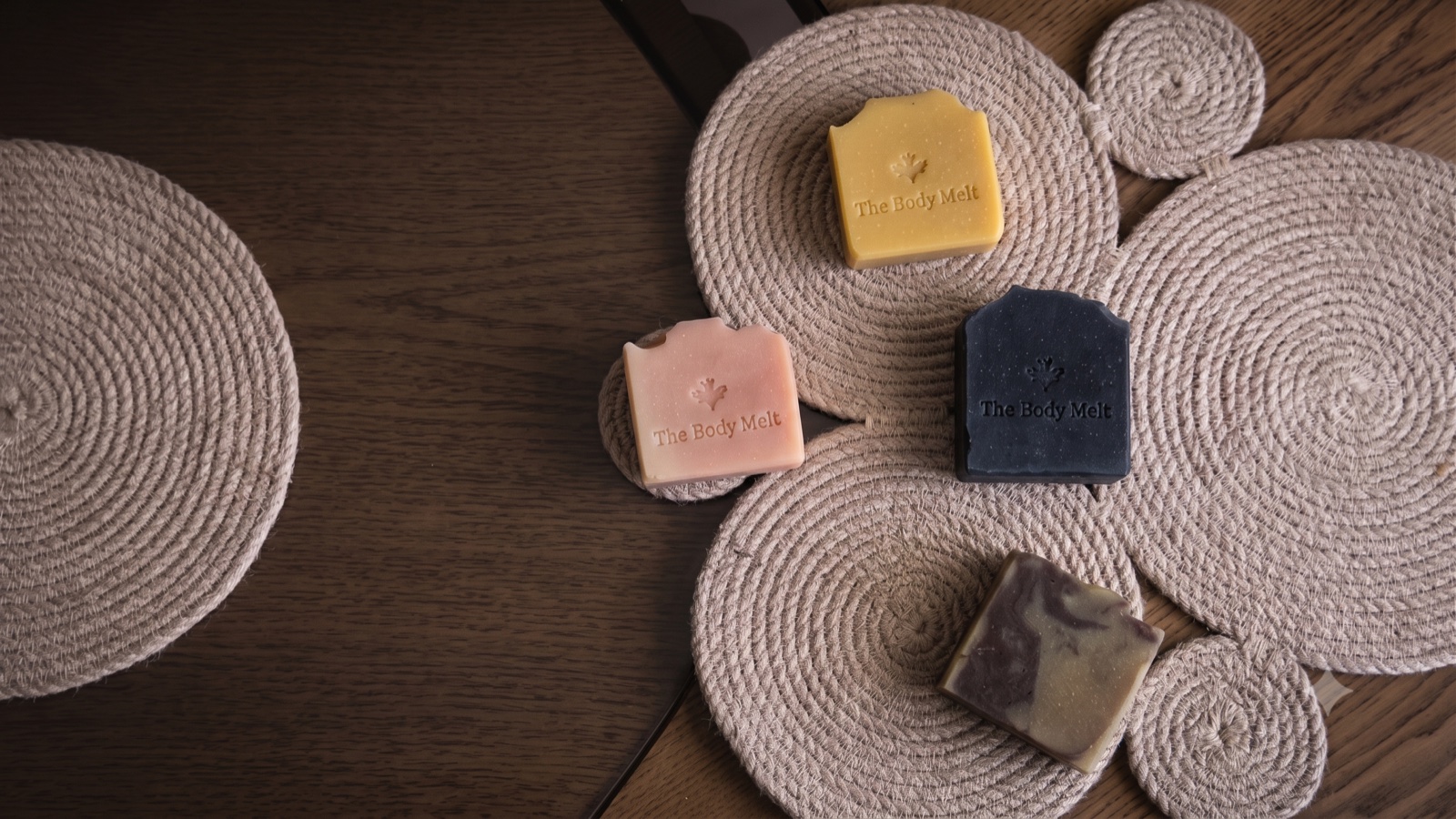
Walk into any soap shop, or scroll any beauty group, and you'll meet two labels acting like rivals: “natural soap” and “glycerin soap.” We get asked all the time which team we're on. Here's the sweet plot twist: our handmade cold-process bars are glycerine soap in the most literal sense — rich in natural glycerine, because we never take it out. So let's compare the two honestly, on facts you can check yourself, with zero trash talk.
What is “glycerin soap,” exactly?
The bars sold as glycerin soap are almost always made from a melt-and-pour base: a clear, factory-made block of soap. A crafter melts it gently, stirs in color and fragrance, pours it into a mold, and it's ready the same day. To stay transparent and survive remelting, most bases carry ingredients beyond soap itself — typically propylene glycol, sorbitol, and sorbitan oleate, alongside added glycerine. Open any base supplier's ingredient list and you'll see them sitting right there. None of that is scary. But that glassy, crystal look that reads as “pure”? It's engineered with solvents and sugar alcohols. Clarity is a manufacturing trick, not a purity certificate.
Where glycerine actually comes from
Every true soap makes its own glycerine. When oils meet lye, the reaction — saponification — produces two things at once: soap and glycerine. Big industrial makers usually separate that glycerine from the soap and sell it on its own, because it's a valuable ingredient for lotions and pharmaceuticals. Cold-process makers like us leave it exactly where it was born: inside the bar. Which brings us to the irony we love. The bar labeled “glycerin soap” had glycerine added back into a factory base, while a handmade cold-process bar never lost its glycerine in the first place. Curious how a batch actually comes to life? We wrote about it in the journal.
What glycerine does for your skin
Glycerine is one of the most-studied ingredients in skincare. It's a humectant: it draws water into the top layer of your skin and helps it stay there, which is why glycerine-rich soap tends to leave skin feeling soft after washing instead of squeaky-tight. That part isn't marketing — dermatology research has backed it consistently for years.
The honest comparison
Both are real soap, and both are alkaline. No true soap is “pH-balanced” — ours included. That's the chemistry of soap itself, not a flaw.
Melt-and-pour gives quick, consistent, pretty results, but it carries solvents for that clarity, and it sometimes “sweats” little water droplets in humid weather, because its extra humectants pull moisture straight from the air.
Cold-process is made from scratch. We choose every oil ourselves, blend, pour, then wait four to six weeks while each bar cures and hardens. Every batch has a slightly different personality, and that's part of the charm.
Shopping tip: if the label lists propylene glycol and sorbitol, you're looking at a pre-made base. If it lists saponified oils — olive, coconut, sidr, shea — someone made that soap from zero, with their own hands.
Questions people ask
Is glycerin soap better for dry skin? Glycerine itself is wonderful for dry skin — that part is well supported by research. But since cold-process bars are naturally rich in glycerine, you don't have to pick the clear bar to get it. The whole recipe matters more than the label: people with dry or easily-bothered skin often love Rice Melt, the calmest, creamiest bar we make.
Does a clear bar mean a purer bar? No. Transparency comes from solvents and sugar alcohols that stop the soap from clouding as it sets. An opaque, creamy handmade bar isn't hiding anything — it's simply soap with all its natural ingredients still inside: the milk, the butters, the clays, and yes, the glycerine, all exactly where they belong.
Want to feel the difference for yourself? Start with Olive Melt — the gentlest bar we make.