Olive Oil Soap Benefits: Why the Oldest Soap Is Still the Gentlest
Olive oil is the oldest soap oil on earth — the heart of Aleppo, Nabulsi, and Castile soap. Here is why its quiet, creamy lather is a badge of honour, not a flaw.
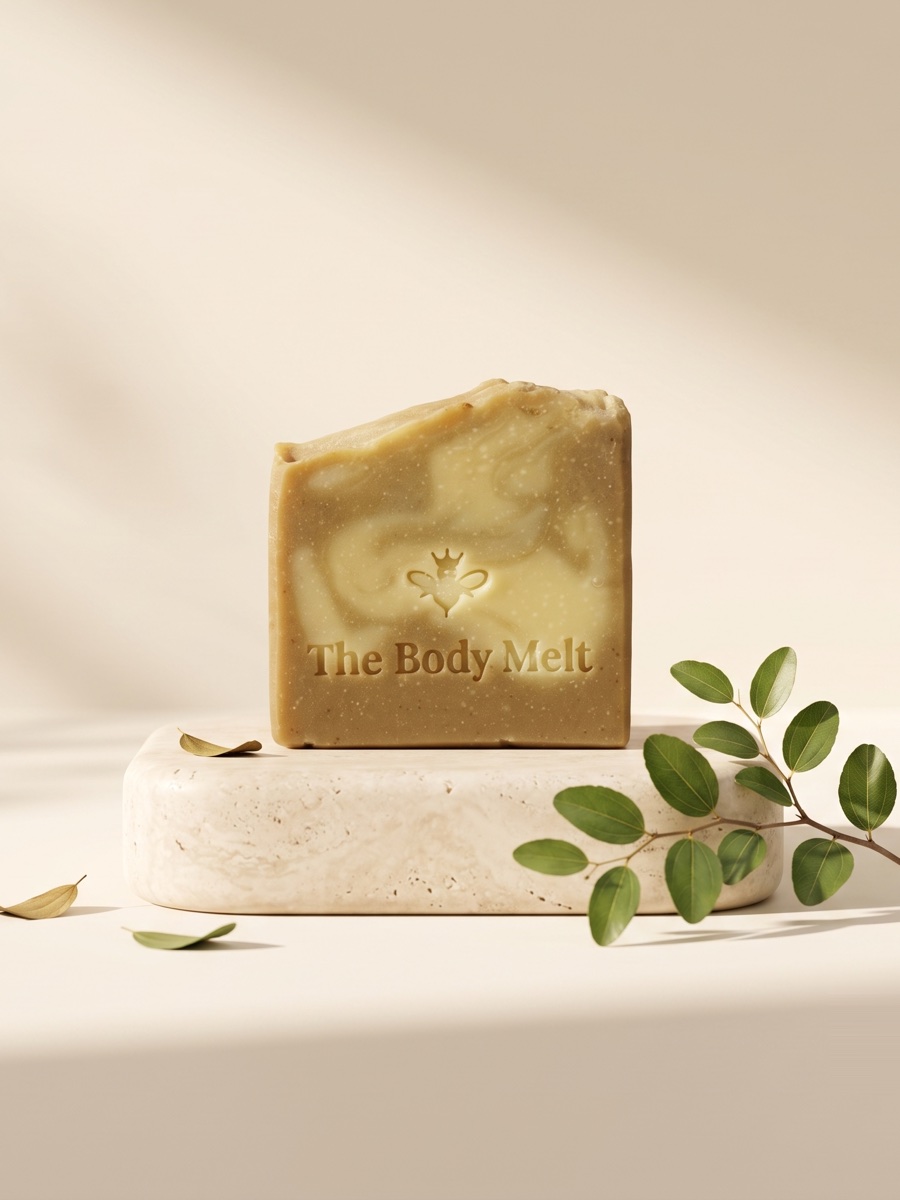
Walk into any old soap shop around the Mediterranean — Aleppo, Nablus, Marseille — and you will meet the same quiet hero behind the counter: olive oil. Before coconut oil sailed in, before palm plantations existed, olive oil *was* soap. If you have ever wondered why soapmakers still get misty-eyed over a plain green-gold bar, this one is for you.
The oldest soap oil in the world
Hard bar soap as we know it was most likely born in Aleppo, Syria, where artisans have been cooking olive oil with sidr leaf and wood-ash lye for over a thousand years. Historians widely consider Aleppo soap the world's first hard soap. It was luxury cargo — gifted to royalty, traded across the Mediterranean, and, the story goes, carried to Europe with the Crusades.
From there the recipe travelled. Spain gave us Castile soap, France gave us savon de Marseille, and Palestine gave us Nabulsi soap — maybe the purest of them all: olive oil, water, and lye, nothing else, cooked and cut into ivory cubes that Nablus has been exporting since around the 14th century. Three countries, three names, one idea: olive oil makes a bar gentle enough to build a whole tradition on.
Why the lather whispers instead of shouts
Here is the part most people get backwards. A high-olive soap makes a low, dense, creamy lather — closer to lotion than to bubble bath. That is not a flaw; that is the chemistry doing exactly what it should.
Big fluffy bubbles come from lauric and myristic fatty acids — coconut territory. Olive oil has essentially none of either. What it has is oleic acid, up to about 80%, which saponifies into a mild, low-foam cleanser that washes without the squeaky, stripped feeling big-bubble soaps can leave behind. So when your olive bar gives you quiet silk instead of a foam party, it is not underperforming. It is doing precisely what Aleppo and Nablus have been selling for centuries. More foam never meant more clean — that is advertising, not chemistry.
The gentlest bar on the shelf
Ask any soapmaker which bar to hand someone whose skin gets annoyed easily, and the answer is almost always the high-olive one. It cleans without drama and rinses without tightness. And in cold-process soap like ours, the glycerine created during saponification stays right in the bar — industrial makers usually extract it to sell separately — so the finished soap carries its own humectant from day one.
Two honest notes, because we like you. First: true soap — every true soap, ours included — is alkaline. Anyone selling a “pH-balanced” real soap bar is selling a story; the gentleness comes from the mild fatty acid profile, not from pH magic. Second: the internet loves claims about olive oil vitamins working miracles through a wash-off bar. The popular talk runs ahead of the evidence there, so we will not repeat it. What we can say is what we see: people with dry or sensitive skin keep coming back for this bar in particular. And if a skin condition is persistent, your dermatologist beats any soap journal — ours included.
How we make ours
Olive Melt is our love letter to Aleppo — olive oil saponified slowly with sidr leaf, then cured for weeks until the lather turns dense and silky. It is the gentlest bar we make. If your skin runs dry as well as sensitive, Rice Melt plays the same soothing tune with a creamier accent. And for an everyday bar with that same cold-process glycerine, there is Frankincense Melt.
Questions people ask
Is olive oil soap good for sensitive skin?
It is the classic choice, and has been for centuries. The mild, low-stripping lather is why Aleppo, Nabulsi, and Castile soaps built their reputations on delicate skin. Honestly though, we are talking cosmetics: it cleans and softens the feel of skin, it does not treat conditions. Try the gentlest bar for a week or two and let your skin vote.
Why does my olive oil soap barely foam?
Because it barely contains the fatty acids that make foam. Oleic acid gives a fine, creamy, low lather — the signature of the real thing — and it cleans just as well. If a “Castile” or “Nabulsi” bar foams like shampoo, read the label again; something else moved in.
Curious how the bars get made? Wander through our journal — or skip ahead and meet Olive Melt.