What Is Natural Soap, Really? (And Is Your 'Soap' Even Soap?)
Most 'soap' on supermarket shelves isn't legally soap at all. Here's what real saponified oils, retained glycerine, and superfat actually mean — and how to read a label like a maker.
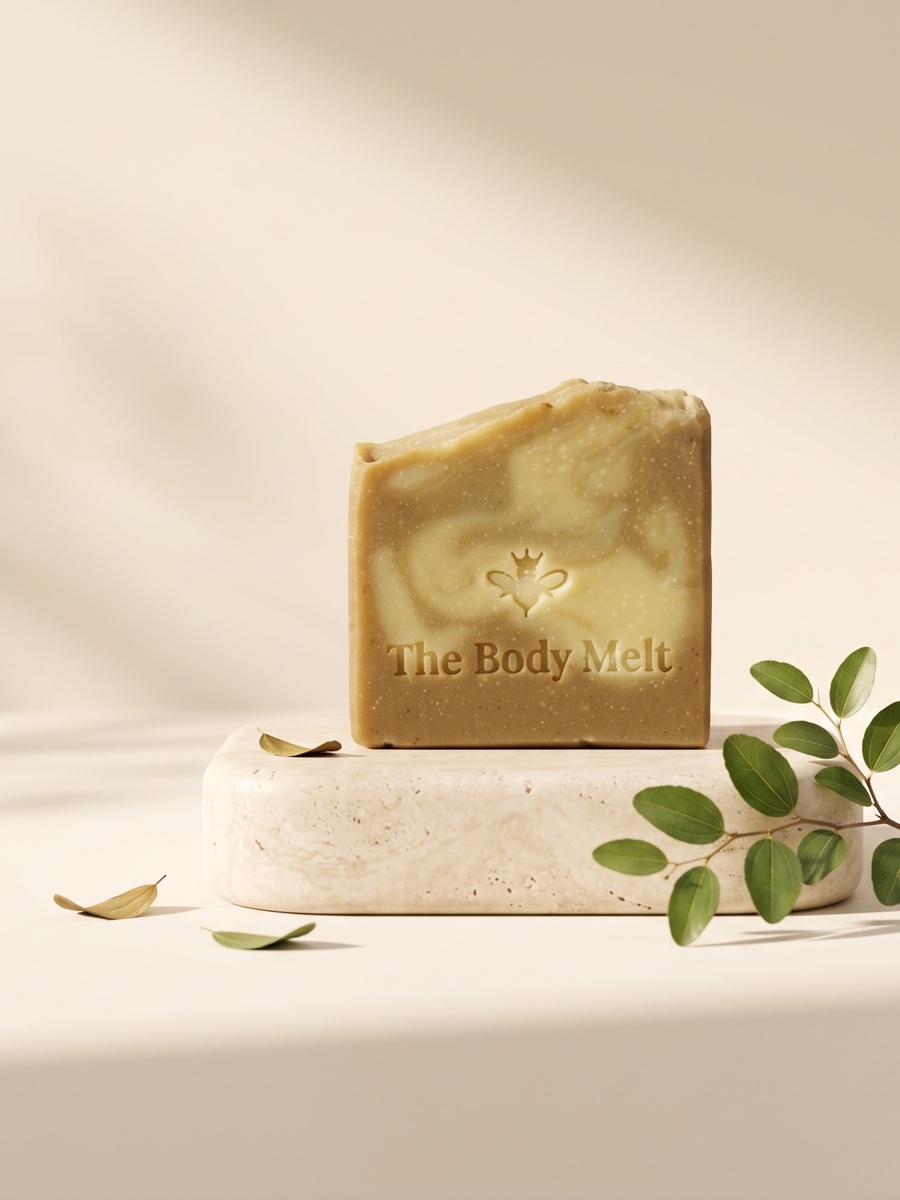
Pick up the bar sitting next to your sink and flip it over. If the ingredient list reads like a chemistry exam — sulfates, isethionates, foam boosters — there's a good chance you're not holding soap at all. You're holding a detergent pressed into a bar shape. "Natural soap" isn't a vibe or a beige label; it's a specific thing with a specific recipe, and once you know what it is, labels stop fooling you.
Real soap is a recipe, not a marketing word
True soap is what happens when oils meet an alkali (lye) and go through saponification: the oils transform into alkali salts of fatty acids — that's the actual cleaning agent — plus natural glycerine. And this isn't our definition; it's the regulatory one. The US FDA only considers a product "soap" when the bulk of it is those saponified fatty acids. Most of the "beauty bars" and shower gels on supermarket shelves don't qualify — they're synthetic detergents (syndets), engineered surfactants that legally sidestep the word "soap" precisely because they aren't.
Neither one is evil. But they're different products, and it helps to know which one you're rubbing on your skin.
The glycerine that stays
Every batch of real soap creates glycerine as a natural by-product of saponification — a humectant that pulls water toward your skin. In cold-process bars like ours, that glycerine stays exactly where it was born: in the bar. Industrial makers usually extract it, because glycerine sells for more on its own — it ends up in lotions and serums, while the bar it came from goes out the door harsher than it needed to be. Keeping the glycerine in is half the reason handmade soap feels the way it feels.
Superfat: the extra spoonful of oil
Here's a maker's trick you'll never see in a detergent bar: superfatting. We deliberately add more oil than the lye can convert, so a small percentage of free oils — olive, coconut, sweet almond — survives in the finished bar. Your skin gets cleaned by the soap and gets a thin, soft finish from the leftover oil. It's the difference between "squeaky" and "comfortable." Our Olive Melt leans hard on this idea — it's the gentlest bar we make.
How to read a label like a soap maker
Ingredients ending in "-ate" after a plant name are usually saponified oils: sodium olivate is olive oil soap, sodium cocoate is coconut oil soap. That's the good stuff. Sodium lauryl sulfate, cocamidopropyl betaine, sodium cocoyl isethionate — those are synthetic surfactants. Then come the extras real soap never needed: hardeners, chelators, fillers that add weight, not function. On paper, natural soap is a short list: oils, water, and lye — which is fully consumed in saponification, so none of it survives to touch your skin.
The honest part: real soap is alkaline
All true soap is alkaline — every bar, everywhere, since the Babylonians. Anyone selling you a "pH-balanced natural soap bar" is describing a detergent. We won't pretend otherwise: after washing, your skin's surface pH rises a little, and on healthy skin it settles back within hours. That's normal. And where bigger claims float around — soap that "detoxes" or "cures" skin conditions — we'll be straight with you: the hype runs ahead of the evidence. Soap cleans, moisturises, smells wonderful. If a skin condition is persistent, a dermatologist is the right address, not a soap dish.
Questions people ask
Is natural soap okay for sensitive or dry skin? Often, yes — the retained glycerine and the superfat make handmade bars feel noticeably softer than industrial ones. Start with the mildest recipes: Rice Melt was built for exactly this. And if your skin argues with everything new, patch test on a small spot first.
Does the coconut oil in soap clog pores? No — and this myth refuses to die. Coconut oil in the pot and coconut oil after saponification are two different substances. In the bar it has become sodium cocoate, a water-soluble cleanser that rinses right off. It doesn't behave like raw oil on your face.
Real soap is a small, honest recipe — oils, lye, water, patience — and our everyday Frankincense Melt bar shows it off best.