Why Is Cold Process Soap Better? The Honest Answer
No boiling, no shortcuts — just low heat, whole oils, and a four-week wait. Here's why cold process makes a genuinely better bar of soap.
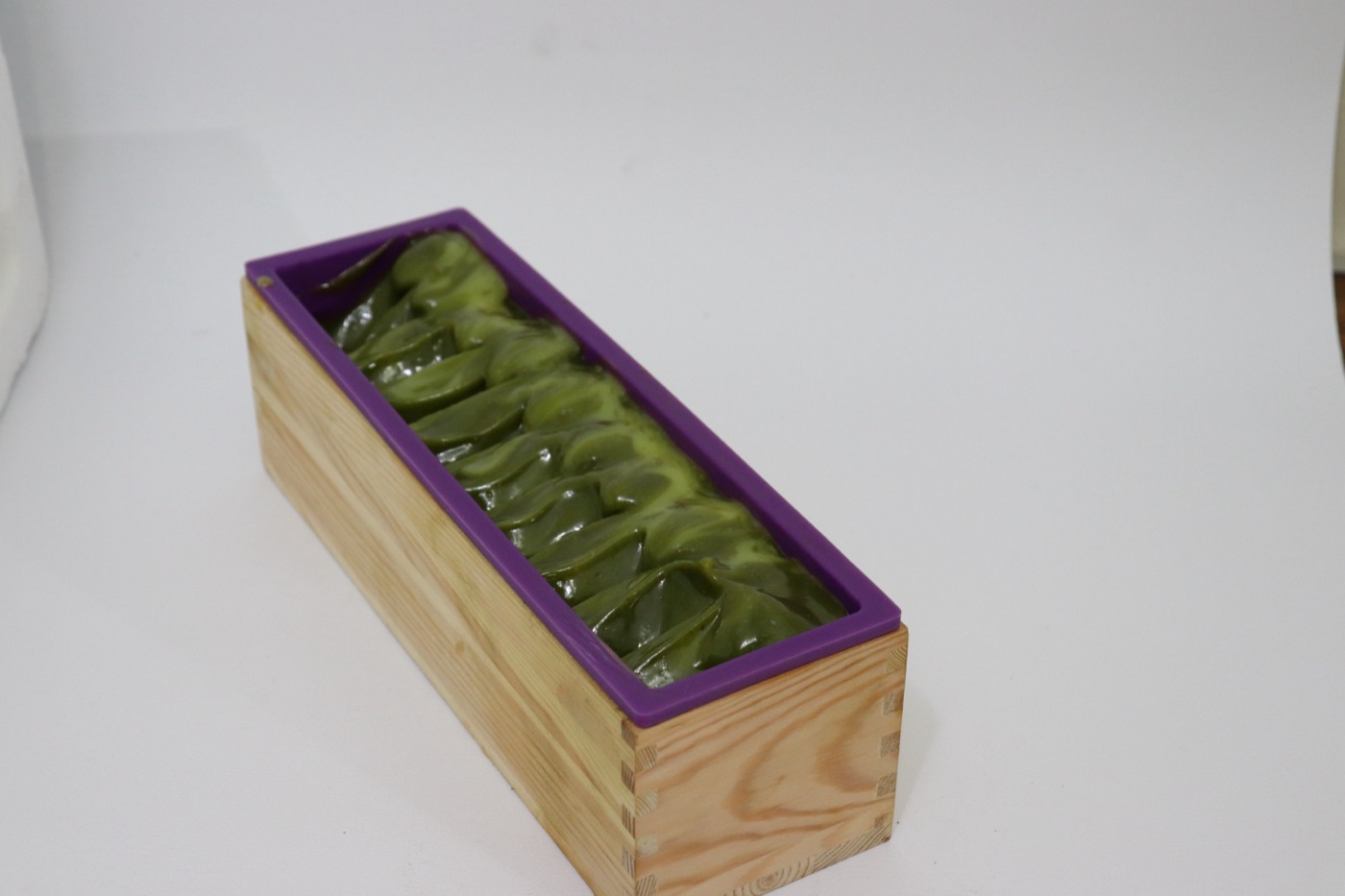
Here's a little secret from our Cairo workshop: the best thing we do to our soap is... almost nothing. No boiling, no rushing, no shortcuts. Cold process just means the oils and the lye meet at a gentle warmth — barely warmer than a sunny balcony — and then we step back and let the chemistry do its slow, quiet work. Sounds lazy? It's actually the whole point. Let us show you why.
Low heat keeps the good stuff in
Every oil we use — olive, coconut, sidr — carries a small, precious fraction that never turns into soap at all. Chemists call it the unsaponifiable part: things like squalene, plant sterols and vitamin E, roughly a couple of percent of a good oil. These are delicate little things, and high heat and heavy refining are not kind to them. Because cold process stays at a low temperature from start to finish, more of that fraction survives inside the finished bar instead of getting cooked away. It's part of why a bar like Olive Melt — the gentlest one we make — feels the way it does: the olive oil didn't just become soap, it left its softest parts behind in the bar.
Glycerine: the moisturizer big factories take out
When oils and lye react, they create two things: soap, and glycerine. Glycerine is a humectant — it pulls moisture toward your skin and helps it feel comfortable after washing. In industrial soap making, that glycerine is usually extracted and sold off separately, because it's worth good money in lotions and creams. In cold process there is no extraction step at all. Every gram of glycerine the reaction creates stays right there in the bar, which is a big part of why handmade soap feels less squeaky after rinsing. If your skin runs dry, that built-in glycerine plus a calming recipe like Rice Melt is a lovely combination.
Four weeks of patience (the bread part)
Fresh cold-process soap is like bread dough that hasn't proved yet: technically all the ingredients are in there, but it is not ready. So we cut the loaves, line the bars up on wooden racks, and wait about four weeks. During the cure, water slowly evaporates and the soap's internal crystal structure settles and tightens. The result is a noticeably harder bar that lasts longer in the shower, lathers richer and creamier, and feels milder on skin. You can't rush proving dough, and you can't rush a cure — believe us, we've been tempted.
Honest talk: it's still soap
Now the part most soap sellers skip. All true soap — ours included — is alkaline. That's not a flaw, it's chemistry: real soap simply can't exist at skin's slightly acidic pH, so anyone selling you a "pH-balanced true soap" is selling you a story. What we can honestly say is this: a well-made, fully cured bar with extra oils left in is about as mild as real soap gets, and the glycerine that stayed behind helps a lot. Most skin is perfectly happy with that. If yours has a persistent condition, though, your dermatologist's advice comes before any bar of soap — ours or anyone else's.
Questions people ask
Does cold process soap dry out skin like regular soap?
Every wash lifts some oil off the skin — that's literally what washing is. The difference is what happens next: the glycerine that stayed in a cold-process bar helps skin feel comfortable instead of tight. Many people with dry skin tell us the switch was the moment handmade soap finally "clicked" for them. A gentle daily bar like Frankincense Melt is an easy place to start.
Why does handmade soap cost more than supermarket soap?
You're paying for whole oils instead of leftover industrial fats, for glycerine nobody removed, and for a month of shelf time before the bar earns the right to meet your skin. Slow things cost more — and slow things are usually worth it. There's more of the craft story over in our journal.
Come smell what four patient weeks are like — the whole family is waiting in our shop.